How Timely Auto Glass Repair Can Save You Money and Keep You Safe
Addressing auto glass repair in a timely manner is vital for ensuring both safety and cost savings. Tiny chips can progress into serious cracks, causing expensive windshield replacements. In addition, damaged windshields can impair visibility, increasing the risk of accidents. Being aware of the risks associated with overlooking these concerns can encourage drivers to respond promptly. Yet, choosing between repair and replacement is not always a simple decision. What factors should influence this choice?
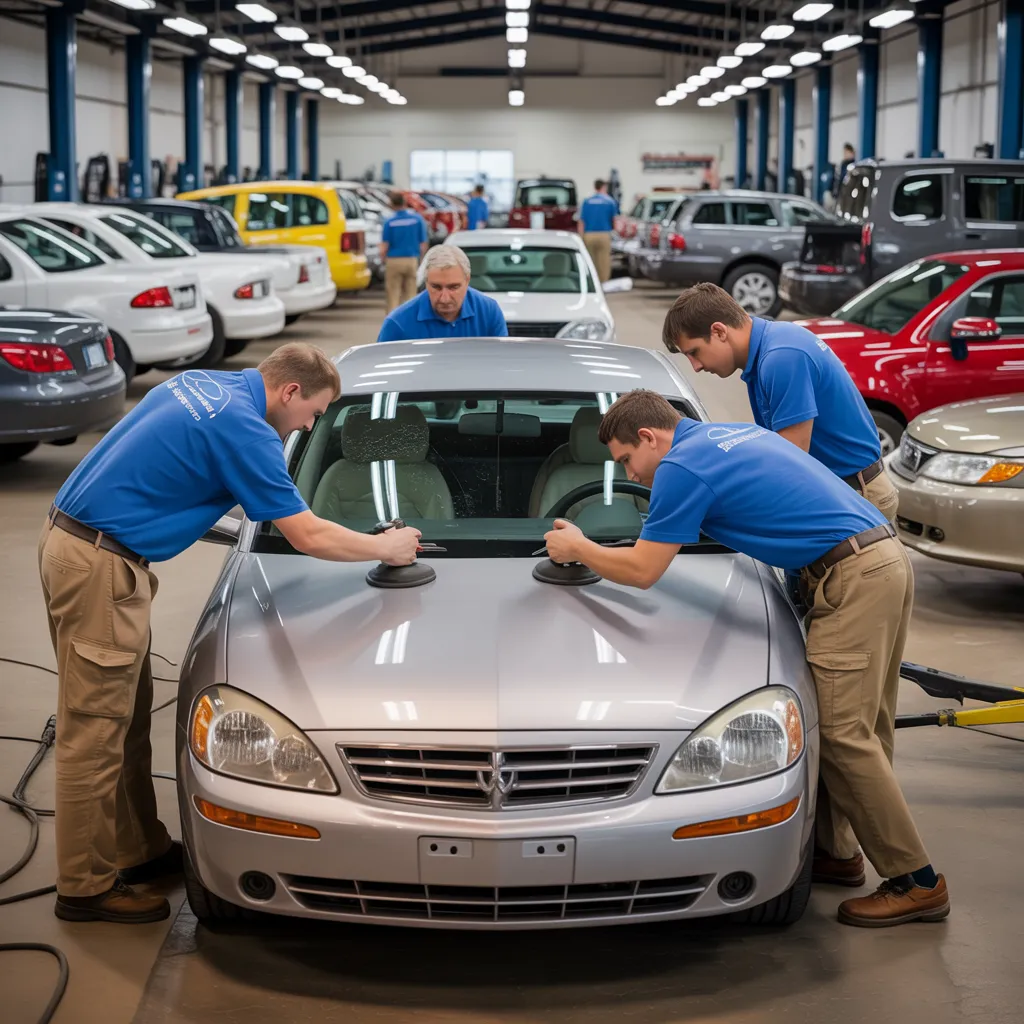
Why Neglecting Auto Glass Damage Can Cost You Dearly
Disregarding auto glass damage can seem like a small problem, but it can lead to major complications. A large number of drivers underestimate how damaging cracks or chips can be, assuming they present no urgent danger. Yet, ignoring these problems frequently leads to weakened structural integrity, which can compromise the overall safety of the vehicle. A damaged windshield might fail to offer sufficient support in the event of a collision, raising the likelihood of injury. Furthermore, minor damages may deteriorate gradually as a result of temperature changes or road vibrations, leading to more extensive repairs that are costlier. Insurance companies may also impose higher deductibles for larger repairs, making timely action critically important. In the end, overlooking auto glass damage not only threatens safety but may also generate financial strain that could have been prevented with prompt repairs. Focusing on auto glass upkeep provides a safer driving experience and limits unnecessary expenditures in the long term.
How Tiny Chips Can Escalate into Costly Repairs
Minor chips in auto glass might appear unimportant initially, but ignoring them can develop into more serious problems. With time, these small imperfections can result in expensive replacements and potential safety risks. Taking care of minor chips quickly can avoid major repairs and help drivers save money over time.
Neglecting Minor Damage
A deceptively small chip in a windshield can lead to a cascade of costly damage if left unaddressed. At first, small damage may seem insignificant, but environmental factors such as temperature fluctuations and moisture can intensify the damage. With time, small chips may develop into extensive cracks, compromising the structural integrity of the windshield. This leads to higher repair expenses while posing greater safety hazards for passengers. Overlooking small chips can eventually necessitate a costly and disruptive windshield replacement. As a result, addressing even the smallest chips promptly is essential in preventing further complications and securing both the safety of occupants and significant savings over time.
Expensive Replacement Hazards
Failing to address minor chips could cause surprisingly costly replacement expenses. What may initially seem like a small blemish has the potential to weaken the structural integrity of the windshield, causing cracks to spread rapidly. Additional pressure caused by temperature changes, road vibrations, and minor collisions alike can worsen these defects. Once the damage progresses, the only viable solution may become a complete windshield replacement, which is considerably more expensive than a straightforward fix. Additionally, insurance plans frequently favor repair costs over replacement expenses, making prompt action a financially wise decision. Ultimately, handling minor chips without delay not only protects the automobile's value but also secures the protection of those inside by sustaining proper visibility and structural reinforcement.
Dangers of Cracked Windshields
Although many drivers tend to ignore the critical nature of a windshield crack, the reality is that such damage creates dangerous safety concerns. A crack can block a driver's line of sight, substantially elevating the risk of accidents. Even minor imperfections can distort vision, making it difficult to see pedestrians, traffic signals, or other vehicles.
Additionally, in the event of a collision, a damaged windshield could weaken the overall structure of the vehicle. Windshields are built to stabilize the roof during impacts; a damaged windshield can neglect to deliver this essential stability, elevating the likelihood of physical harm.
Moreover, airbags are dependent on the windshield for appropriate deployment. If a crack develops, the airbag may not function as intended, further putting at risk occupants. In the end, dealing with windshield damage without delay is critical to secure both driver and passenger safety on the road. Overlooking such issues can lead to dire consequences that far surpass the cost of timely repairs.
Windshield Repair vs. Replacement: What's the Right Choice?
Determining whether to repair or replace a windshield can often be a challenging decision for drivers. Multiple factors impact this determination, including the size, location, and type of damage. Small chips and cracks that are typically under six inches in length can often be fixed without compromising overall safety. However, if the damage is extensive or located in the driver's line of sight, replacement may be necessary to guarantee ideal visibility.
Furthermore, the age and condition of the windshield come into consideration; aging windshields may be more prone to further damage. Insurance coverage can also affect the decision, as some policies may cover the cost of repairs while other plans may encourage replacement. At the end of the day, motorists must evaluate the initial expenses against potential safety risks and long-term implications. Making a well-informed decision can practical guide enhance vehicle safety and preserve the integrity of the automobile.
Picking the Right Auto Glass Repair Service
After deciding whether to repair or replace a windshield, the following step requires choosing the appropriate auto glass repair service. It is essential to evaluate several factors to guarantee quality and reliability. First, reputation plays a significant role; providers with favorable customer reviews and testimonials frequently demonstrate reliability. Additionally, checking for certifications and affiliations with industry organizations can provide assurance of professional standards.
Another crucial factor is the presence of warranties on repairs. A service that offers a warranty demonstrates confidence in their work and a pledge to meet customer expectations. Additionally, the use of quality materials is important; choosing a service that uses manufacturer-approved OEM glass provides durability and safety.
Lastly ease of access must not be ignored. Companies that provide mobile repair options can reduce time and effort. By thoroughly assessing these considerations, individuals can reach a well-informed decision, thereby protecting their automobile's safety and overall functionality.
The Lasting Advantages of Timely Repairs
Timely auto glass repairs not only enhance safety but also provide significant long-term benefits for vehicle owners. Dealing with chips and cracks quickly helps prevent additional damage, which can lead to more extensive repairs and increased costs. By preserving the structural integrity of the glass, owners are able to sidestep structural complications resulting from weakened glass, ensuring a safer driving experience.
In addition, prompt fixes can favorably affect the vehicle's sale price. A carefully maintained automobile with pristine glass is highly appealing to interested buyers, indicating attentive maintenance. Insurance carriers often favor timely repairs, which can bring about lower premiums and a lower number of claims over time.
In addition, resolving auto glass issues quickly can enhance visibility and driving comfort, lowering the likelihood of mishaps due to impaired visibility. In the long run, prioritizing prompt restoration encourages enduring cost savings and enhances the overall safety of your vehicle.
Questions We Are Often Asked
How Can I Tell if My Windshield Needs Repair?
A windshield might require attention if chips or cracks develop, especially if they obstruct the driver's view. Moreover, severe damage or structural fractures can weaken the overall structural integrity, demanding immediate action to guarantee safety and functionality.
Will My Insurance Pay for Auto Glass Repairs?
The majority of auto insurance policies include coverage for glass repairs, usually with a low or waived deductible. Policyholders are advised to review their specific coverage details and reach out to their insurance provider to confirm the extent of their benefits regarding auto glass repairs.
Which Types of Auto Glass Can Be Fixed?
Various types of auto glass can be professionally repaired, covering windshields, side windows, and rear windows. Chips, fractures, and scratches are commonly repairable, according to their size and location, maintaining vehicle integrity and driver safety.
How Long Will an Auto Glass Repair Take?
A typical auto glass repair usually takes anywhere from 30 minutes to two hours, according to the degree of damage and the glass type in question. Variables including the technician's experience and the shop's current workload can further impact the duration.
Can You Drive a Vehicle With a Damaged Windshield?
Driving with a compromised windshield is ill-advised. This can hinder visibility, increase accident risk, and could result in traffic violations. Prioritizing safety and addressing repairs promptly is necessary for maintaining proper vehicle safety.